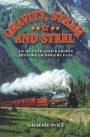
Steep grades, extreme climate, avalanche hazard, tunnels, trestles, and bridges-all in a wilderness setting-Rogers Pass packs a great deal of railway interest into 65 miles of track. Using 80 archival photographs, many previously unpublished, Gravity, Steam, and Steel: An Illustrated Railway History of Rogers Pass tells the stories of railway triumphs and tragedies on one of the most notorious sections of track in the world. For almost 125 years, CP Rail has battled the elements at Rogers Pass, spending hundreds of millions of dollars while creating solutions new to railroading.
Gravity, Steam, and Steel was conceived and written as a companion volume to The Spiral Tunnels and the Big Hill, which has sold more than 25,000 copies since publication in 1996.
Rogers Pass is a major focus in Glacier National Park (the park visitor centre is there) and the photographic material available from this area is incredibly diverse and interesting. There is no similar title on the market. Train buffs and locals will welcome this book. It will also be of interest the visiting public, many of whom want to broaden a casual interest in Canadian history.
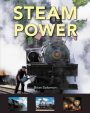
They steamed westward with America, carrying goods and people to the new frontier. They powered through the industrial revolution, moving with the times. And they transported a nation in motion, soldiers and settlers and immigrants, captains of industry and itinerant laborers. These were the steam locomotives that ruled the rails and kept America moving and working for more than a century.
Pictured here in more than 250 modern photographs of restored and preserved models, these locomotives evoke the railroad's golden age and stand as a powerful reminder of the industry's might. The book offers a pictorial history of the evolution of steam power from the early nineteenth century to the demise of steam power after World War II; detailed captions identify each pictured locomotive and explain its role in the history of American motive power. Featuring every prominent wheel configuration as well as shrouded "streamlined" locomotives, Steam Power conveys the grand geographic and technological breadth of North American railroading.
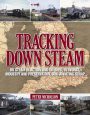
This book is a compilation of the author's personal experiences in the sixties and features hundreds of previously unpublished colour and black & white photos of BR steam locos. Peter Nicholson sought out BR locos wherever they could be seen starting from the usual spotters' locations on station platforms, progressing to engine shed visits and railway workshops, then on railtours and haunts away from the national networks such as the Isle of Wight and looking for former main line locos after disposal by BR in museums, on the first preserved lines, in industrial service, and awaiting their fate in scrapyards. The quest culminated in the last days of scheduled BR steam in August 1968. All photos, black & white and colour, were taken in the period up to the final day 11 August 1968. In the author's case though, that last day was not on the lineside of the Settle & Carlisle with everyone else for the final special (a week after the end of regular scheduled steam services), but in the less-publicised private yard of Corals coal merchants, Southampton Docks, where an old London & South Western Railway dock tank was still at work! The subject is strictly main line steam locos - those owned or formerly owned by British Railways or its constituent companies, the Big Four (GWR, SR, LMS and LNER) and their predecessors. Surprisingly, perhaps, no other book has looked at BR steam locos in their differing environments as this would do.
Reviews
There are no reviews yet.