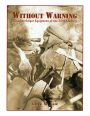
This long awaited book examines the many styles of sniper rifles and optics used by the Canadian Army. Starting with the Ross rifle of Great War fame, mated to the Warner & Swayze telescopic sight, the book examines issues and usage of a variety of sniper rifles. World War II saw a medley of equipment used in the early days. There is all new information on Small Arms Limited (Long Branch) and their experimental rifles as well as information on Research Enterprises Limited and the experimental scopes they developed for the Long Branch rifles. Post-war rifles used by the Canadian Army include Garand, Parker-Hale C3 and C3A1, The FN C1 and C2 (FAL) and the incredible MacMillan Bros Tac50.
The entire text is based on original research at the Canadian National Archives and the Canadian Department of National Defence.
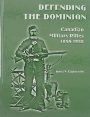
The author has researched the use, acquisition and disposal of every known purchase of long-arms by the Canadian Militia between 1855 and 1955. The dates were chosen as the logical commencement of Canadas Militia, due in large part to the Militia Act of that year, while the end date brings to a close the general issue and use of the Lee-Enfield No.4 rifle. This 100-year period is unsurpassed for the design and invention of rifles. The book contains 13 appendices, a bibliography and end-notes. This is a must have addition for any firearms enthusiasts bookshelf.
not rated$59.95Original price was: $59.95.$29.99Current price is: $29.99.Add to cart
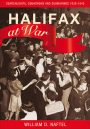
From early September, 1939 Halifax was at war. When the war began, people gathered along the waterfront to watch the fleet of the Royal Canadian Navy leave. For the next six years, the city was uniquely affected by the war's events. Halifax at War explores this transformation of the city and civilian life, making use of a rich blend of historical, biographical and archival sources.
Bill Naftel describes the incredible demands placed upon the city due to the war -- which far exceeded any other city in Canada. Halifax's infrastructure was barely able to cope as thousands of soldiers and sailors streamed through the city and thousands more arrived for war-related work. At first the war was welcomed for the jobs it created and the prosperity it brought, but soon crowding and inflated prices proved a trial for native Haligonians as well as thousands of temporary residents.
Reflecting new insights derived from primary documents, this lively history offers a new perspective on the impact of the war on Canada and Canadians, and on the many ways in which Halifax played a unique role in supporting Canada's contribution to the allied war effort.