The story of HMCS Oakville, a corvette that fought U-boats in WWII and remains a hero to its hometown in Oakville, Ontario.
This is an in-depth look at the history and legacy of HMCS Oakville, a Canadian World War II corvette that fought in the Battle of the Atlantic, and was one of the few corvettes to sink a U-boat. From its creation through its christening off the shores of its namesake town, its exploits at sea, the famous encounter with U94, and the ships lackluster end, Oakvilles is a story that showcases not only our nations proud naval heritage, but also the importance of remembrance.
Oakvilles Flower sets the scene of naval war in the Atlantic ? the battles between convoys, stealthy U-boats, and the lowly corvettes that formed the backbone of the Royal Canadian Navy. We follow Oakville, one of those corvettes, through its rise and fall as a Canadian naval legend, to its revival in the town of Oakville, championed by the local Sea Cadet Corps that shares its name and safeguards its legacy.
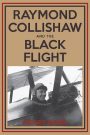
Ever wondered what it would be like to fly a biplane or triplane in the First World War? Raymond Collishaw and the Black Flight takes you to the Western Front during the Great War. Experience the risks of combat and the many close calls Collishaw had as a pilot, flight commander, and squadron leader. Understand the courage Collishaw and his fellow flyers faced every day they took to the air in their small, light, and very manoeuvrable craft to face the enemy.
As the third-highest-scoring flying ace among British and colonial pilots in the First World War, scoring 60 victories, Collishaw was only surpassed by Billy Bishop and Edward Mannock. This book traces Collishaw's life from humble beginnings in Nanaimo, British Columbia, to victories in the skies over France.
From early September, 1939 Halifax was at war. When the war began, people gathered along the waterfront to watch the fleet of the Royal Canadian Navy leave. For the next six years, the city was uniquely affected by the war's events. Halifax at War explores this transformation of the city and civilian life, making use of a rich blend of historical, biographical and archival sources.
Bill Naftel describes the incredible demands placed upon the city due to the war -- which far exceeded any other city in Canada. Halifax's infrastructure was barely able to cope as thousands of soldiers and sailors streamed through the city and thousands more arrived for war-related work. At first the war was welcomed for the jobs it created and the prosperity it brought, but soon crowding and inflated prices proved a trial for native Haligonians as well as thousands of temporary residents.
Reflecting new insights derived from primary documents, this lively history offers a new perspective on the impact of the war on Canada and Canadians, and on the many ways in which Halifax played a unique role in supporting Canada's contribution to the allied war effort.
This is the story of a young mans journey through World War II. It covers a wide cross section of the strengths and weaknesses of young men not attuned to killing, and not mentally prepared to face the horror of seeing their close friends die violent deaths in battle. The story is about the hopes, the prayers, the fears, the daily miseries and even the lighter moments that the aspiring heroes of the Perth Regiment experienced on the Italian front as part of 11th Infantry Brigade, 5th Canadian Armoured Division.
As the title suggests, from his first battle inoculation Private Stan Scislowski realizes he is not destined for the heroic role to which he once aspired. His fears affect him deeply: his burning dream of returning home a national hero becomes more and more improbable, and his attempts to come to terms with his un-heroic nature make the war as much a mental battle as a physical one. His story is much like that of the overwhelming number of Canadians who found themselves in the cauldron of war, serving their country with all the strength they could find, even when that strength was fading fast.
Not All of Us Were Brave focuses not on the heroes, but on the ordinary soldiers who endured the mud, the misery, the ever-present fear, the inspiration, and the degradation. The narrative holds nothing back: the dirty linen is aired along with the clean; the light is shown alongside the dark. It shows what war is all about.